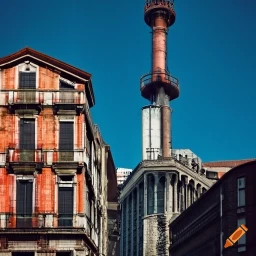
Nestled in the picturesque Basque Country of northern Spain, Bilbao has undergone a remarkable transformation in recent decades. Once a city plagued by industrial decline and economic challenges, Bilbao has emerged as a shining example of urban revitalization and cultural renaissance. This article explores the impressive changes Bilbao has overcome, turning it into a thriving cultural and economic hub.
A Glimpse into Bilbao’s History
To understand the magnitude of Bilbao’s transformation, we must first delve into its history. For much of the 20th century, Bilbao was an industrial powerhouse, driven by its steel and shipbuilding industries. However, by the 1980s, the city was facing a severe economic crisis. The decline of heavy industries, coupled with environmental degradation, left the city in a state of disrepair.
The Turning Point: The Guggenheim Effect
The turning point for Bilbao came in 1997 with the opening of the Guggenheim Museum Bilbao. Designed by renowned architect Frank Gehry, this iconic structure revolutionized the city’s cultural landscape. The museum’s titanium-clad, avant-garde design became an instant architectural marvel, drawing visitors from around the world.
The Guggenheim Museum Bilbao not only brought international attention to the city but also kickstarted its cultural revival. The museum’s impressive collection of contemporary and modern art became a symbol of Bilbao’s commitment to the arts and culture. Today, it stands as one of the most visited cultural institutions in Spain.
Architectural Renaissance
The success of the Guggenheim Museum sparked an architectural renaissance in Bilbao. The city began investing in cutting-edge architectural projects that redefined its skyline. Notable additions include the Zubizuri Bridge, designed by Santiago Calatrava, and the Isozaki Atea Towers, created by Arata Isozaki. These structures seamlessly blend modernity with Bilbao’s rich heritage.
Economic Revival
Bilbao’s transformation extended beyond the cultural sphere; it triggered a significant economic revival as well. The influx of tourists drawn by the Guggenheim Museum and the city’s architectural wonders injected new life into the local economy. Hotels, restaurants, and shops sprung up to cater to the growing number of visitors, creating jobs and boosting the service sector.
Furthermore, Bilbao leveraged its strategic location as a port city to diversify its economy. The expansion of the Port of Bilbao allowed for increased trade and commerce, further strengthening the city’s economic prospects. Bilbao also embraced sustainable practices, prioritizing environmental conservation and green initiatives.
The Bilbao Effect: A Model for Urban Revitalization
Bilbao’s remarkable transformation has come to be known as the «Bilbao Effect.» This term refers to the revitalization of an urban area through strategic investments in culture, art, and architecture. Cities around the world now look to Bilbao as a model for urban regeneration and economic development.
The success of the Bilbao Effect lies in its ability to create a synergy between culture, tourism, and economic growth. By prioritizing the arts and architecture, Bilbao not only attracted tourists but also inspired innovation and creativity within the city. This, in turn, fostered a conducive environment for entrepreneurship and business development.
Cultural Revival
Beyond the Guggenheim Museum, Bilbao’s cultural revival has extended to all corners of the city. The Casco Viejo, or Old Town, has been lovingly restored, preserving its historic charm while welcoming modern businesses. Theatres, galleries, and music venues have flourished, offering a diverse range of cultural experiences for residents and visitors alike.
The Bilbao Fine Arts Museum, with its extensive collection of Spanish and Basque art, complements the contemporary offerings of the Guggenheim. Additionally, the city hosts numerous cultural events and festivals throughout the year, celebrating its rich Basque heritage.
Infrastructure Development
Bilbao’s transformation also entailed significant infrastructure development. The city invested in public transportation, making it easier for residents and tourists to navigate its streets. The Bilbao Metro, for example, is known for its efficiency and connectivity.
Furthermore, green spaces and parks were created, enhancing the quality of life for Bilbao’s residents. The rejuvenation of the riverside area, particularly along the Nervión River, has transformed it into a scenic and recreational hub.
The Future of Bilbao
As Bilbao continues to evolve, it faces new challenges and opportunities. The city remains committed to sustainable development, with a focus on preserving its natural beauty and cultural heritage. Bilbao aims to diversify its economy further, attracting industries beyond tourism and port operations.
In conclusion, Bilbao’s transformation from an industrial decline to a cultural renaissance is nothing short of extraordinary. The city’s commitment to art, architecture, and culture has not only revitalized its economy but also inspired urban revitalization efforts worldwide. Bilbao serves as a testament to the power of creativity, innovation, and strategic planning in shaping the future of cities.


